

Iced Raktajino
I’m beautiful and tough like a diamond…or beef jerky in a ball gown.
– Titus Andromedon
- 129 Posts
- 461 Comments

 9·1 day ago
Ah, well, that limits things a bit then.
I have refined tastes when it comes to laptops, but I’m also cheap, so lightly used high end models are right up my alley. Unfortunately, I can’t think of any [brand new ones] I would stand behind that are in that price range other than maybe a Macbook Neo, but you specifically ruled out ARM (they’re also not supported by Ashai Linux yet, either).
Sorry.
Are you married to a new one?
I pretty much exclusively buy used ~3 year old Thinkpads which meet all of your specs and then some. My last two were X1 carbons (7th gen and now a 9th gen). Each cost me about $450.
 7·2 days ago
No, but I will try that and report back.
 3·2 days ago
Same. I’ll have to try it with pastrami sometime.
Interesting or useful?
I don’t think I have any really interesting ones, but the most useful one I have for people is “Always On”.
Basically when I see that tag, I can mentally prepare myself and roll my eyes before reading. Basically it’s for people who just do nothing but preach at you regardless of the topic being discussed. It’s…pretty useful.
Yum! I usually do similar with roast beef.
 8·2 days ago
Linemen are some crazy hard workin’ people … I hope their off days are filled with good whiskey and agreeable women or men as needed.
Definitely. In modern society, they’re right up there with firemen, paramedics, etc as far as “thank you for your service” goes.
When they’re working near me, I always offer them cold drinks or snacks. That’s something I started doing during the earlier mentioned two week outage when they finally got to our area. The temps were in the mid 90s, the air was swampy, and I was roasting in shorts and a t-shirt. They’re out there working in heavy protective gear. I appreciate them as much as I do not envy them which is a LOT.
rained like a cow pissin’ on a flat rock,
I absolutely love this brand new sentence. Or, at least that’s one I’ve never heard before.
Sustained straight-line high winds scare the bejeezus out of me. There was a derecho in my area many years ago. Didn’t seem too awful at the time and in the midst of it, but when it was over, we were without power in a heatwave for almost two weeks. Fun times.
Glad your electric co is on the ball.
 101·2 days ago
Ever lived in a small town? Drama and gossip is fun
Yes, I have, and no it’s not. It’s just all there is except for high school football, making more kids, and the same drama and gossip but on Facebook. IMO that’s why small towns are so toxic once you get past the thin veneer of “small town charm”. Couldn’t wait to leave the one I grew up in.
And after re-reading OP’s opinion, I starting to see the parallels.
That’s really cool. Must have missed that post.
Is that reading from a rain gauge or rain barrel or what?
I’ve got 4x55 gallon rain barrels and have wanted to add a sensor so I could check how full they were from Home Assistant. So curious where you’re getting your graph data and if that’s something that might help me with mine.
Hank Hill, apparently.
I don’t use Facebook and use all the ad blockers, but apparently I’m still tracked by IP.
When my SO and I started dating, he hooked to my wifi one day and immediately started getting ads on Facebook for various lawn care products. He’d never had those come up before, lived in an apartment all his adult life, and has never searched for any kind of gardening supplies.
I, on the other hand, do have a lawn that I take care of and frequently shop for various landscaping stuff. But he gets the ads for them.
 2·3 days ago
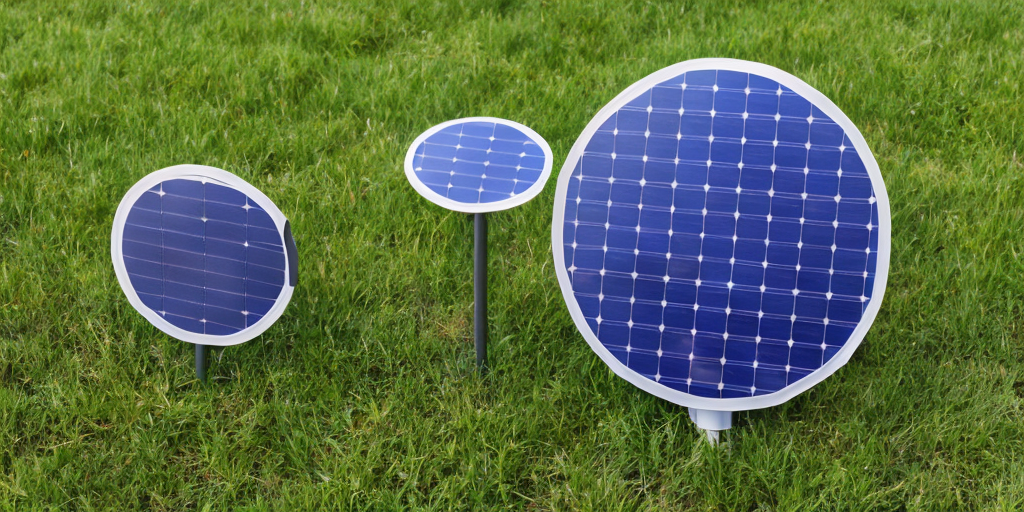
Lol. We had ours set to 74 during the previous heat wave. Wasn’t sending any power back to the grid since we can’t do net metering, but we weren’t drawing any from it either.
Nice!
I don’t have an EV (yet!) but the last couple of days have been fairly cool for July and haven’t had to run the A/C much. The house batteries ended up charging fully by about 2 in the afternoon. Since we can’t do net metering here, any excess is just wasted right now.
When I do manage to get an EV in the next couple of years, I’d like to setup something similar to charge it when I’m producing an excess.
(Hopefully this is OK for this community. Not news, but could be a nice highlight/discussion. If not, glad to find another spot to share it.)
!solardiy@lemmy.world would probably love to hear about your setup.
 7·3 days ago
I feel like this is the kind of joke Frasier would have told Freddy when he was a kid.

 1·3 days ago
Wait, what?? Those are a thing?
I’ve seen some rechargeable smoke detectors but never had a reason to trust those. Everything else has used the old school 9v.
 3·4 days ago
I read the punchline as “Frasier: In Space!” and would watch that.
 351·4 days ago
Literally this.
Twice a year I fill in as DBA when our lady graybeard Oracle DBA takes vacation. This month is one of those times. Yay me.
For my org, it’s just the massive in-house developed line-of-business application that’s tightly coupled to Oracle that keeps us chained to it. It’s technical debt from top to bottom, and has been accumulating steadily since the early 2010s, but no one seems willing to start replacing it.
The new projects typically go with Postgres, MariaDB, or if all else fails, MSSQL. But the Oracle monster in the closet isn’t likely to leave any time soon.











Refurbishers on eBay